









Almost everyone has felt this.
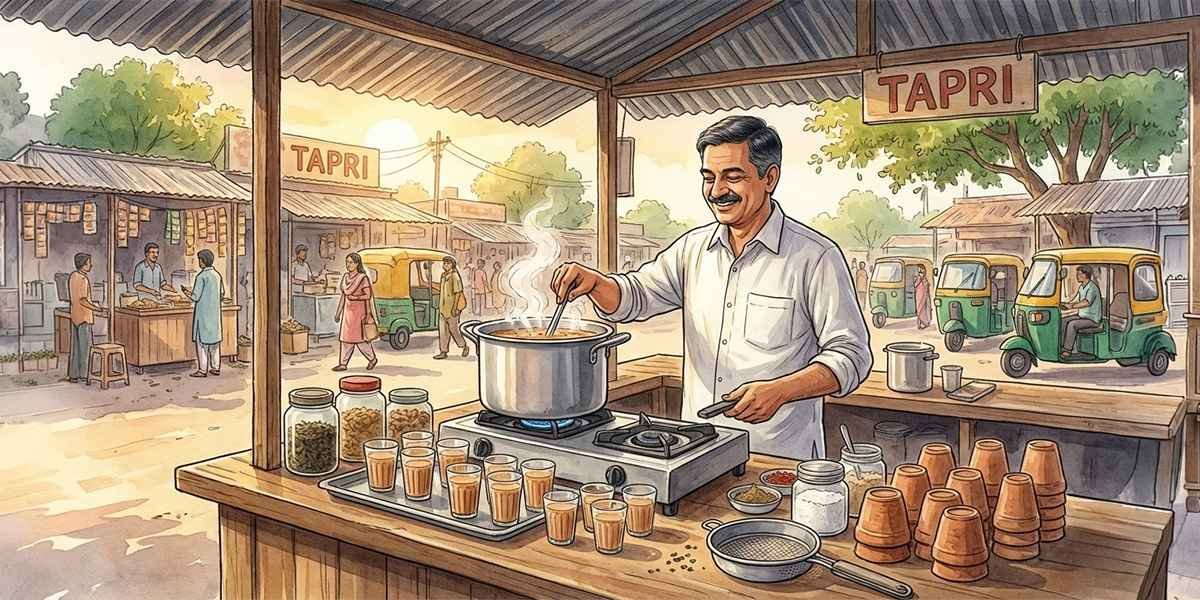
You drink chai at a roadside stall and think, “Yaar, this tastes better than home chai.”
Same milk, same sugar, yet the taste feels different.
The reason is not magic. It’s a few small things that chai stalls do differently — often without even realising it.
Let’s break it down.
- Chai Stalls Use Stronger Tea
Most chai stalls use strong tea blends because their chai has to taste good even after adding more milk and sugar. The tea is bold, full-bodied, and doesn’t disappear in milk.
At home, we often use mild or old tea leaves, which lose their strength quickly. That’s why home chai can taste flat.
A stronger blend, especially one made for milk chai or kadak chai, already gives a better base before anything else is added.
- The Water-to-Milk Ratio Is Different
Chai stalls usually start with more water and less milk. This allows the tea leaves to brew properly and release full flavour.
At home, we often add milk too early or in excess, which stops the tea from brewing well. The result: good colour, but weak taste.
More water first → better brewing → stronger chai.
- Chai Stalls Boil Tea Longer (But Correctly)
Chai stalls let the tea boil properly in water before milk is added. This extra boiling time brings out depth and strength.
At home, we rush the process, either due to time or fear of bitterness. But when done right, proper boiling doesn’t make chai bitter; it makes it flavourful.
The key is strong tea + controlled boiling, not overcooking.
- Sugar Is Not the Hero
At stalls, chai tastes good even before sugar is added. Sugar only supports the flavour; it doesn’t hide mistakes.
At home, we sometimes add extra sugar to fix weak chai, which only makes it sweeter, not better.
Good chai doesn’t need too much sugar.
- Chai Stalls Make Chai Repeatedly
This might sound simple, but it matters.
Chai stall owners make chai all day, every day. Over time, they understand:
Exactly how much tea to add
When to add milk
When to stop boiling
That instinct comes from repetition, not from fancy ingredients.
- The Emotional Factor
Let’s be honest, stall chai comes with:
Fresh air
Conversations
A small break from routine
That mood adds to the taste. At home, chai is often made in a rush between work and responsibilities.
Sometimes, the difference is not just in the cup, but in the moment.
The Good News
You can make stall-like chai at home.
All it takes is:
Choosing the right tea for your chai style
Letting the tea brew properly
Keeping proportions simple
Not rushing the process
Great chai isn’t complicated, it’s just about doing the basics right.
At Rasm, we believe everyday chai should feel satisfying, comforting, and familiar, whether it’s made at a stall or at home.